
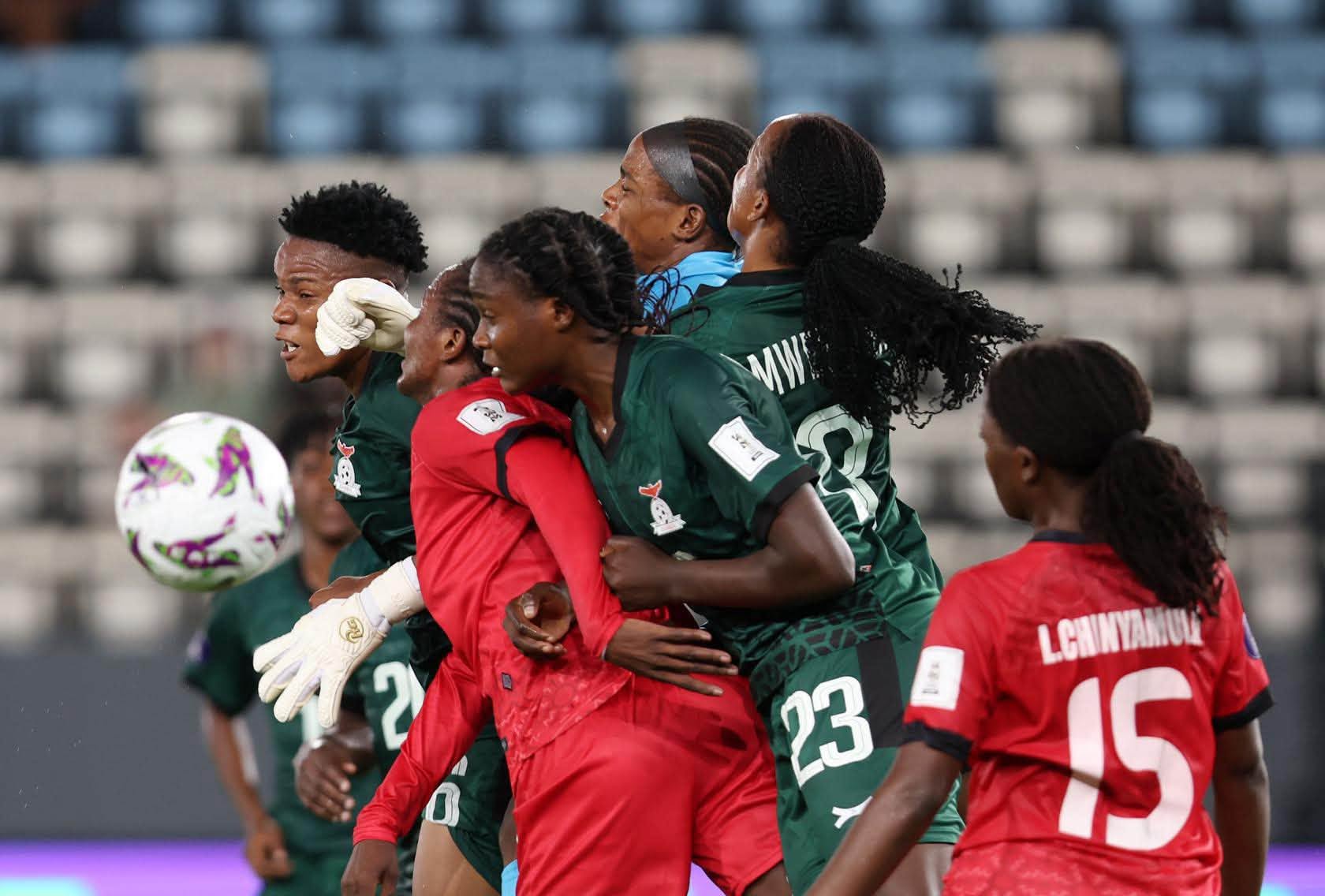

Zambia’s WAFCON group-stage campaign produced the kind of numbers that would normally suggest a comfortable place in the quarter-finals: two victories from three matches, eight goals scored and only two conceded.
Instead, the Copper Queens are out.
They opened with a stunning 6-0 victory over Egypt and closed the group with a 2-1 win over Malawi, but the defeat between those results — a 1-0 loss to ten-player Nigeria — left no room for error on the final day.
With Malawi, Nigeria and Zambia all finishing on six points, Article 71 of the competition regulations separated the three sides using their matches against one another. Zambia’s impressive overall goal difference could not rescue them.
As the quarter-finals begin without the Copper Queens, this edition of Heroes & Headaches celebrates the players who made history while examining the moments that turned a promising campaign into an early exit.
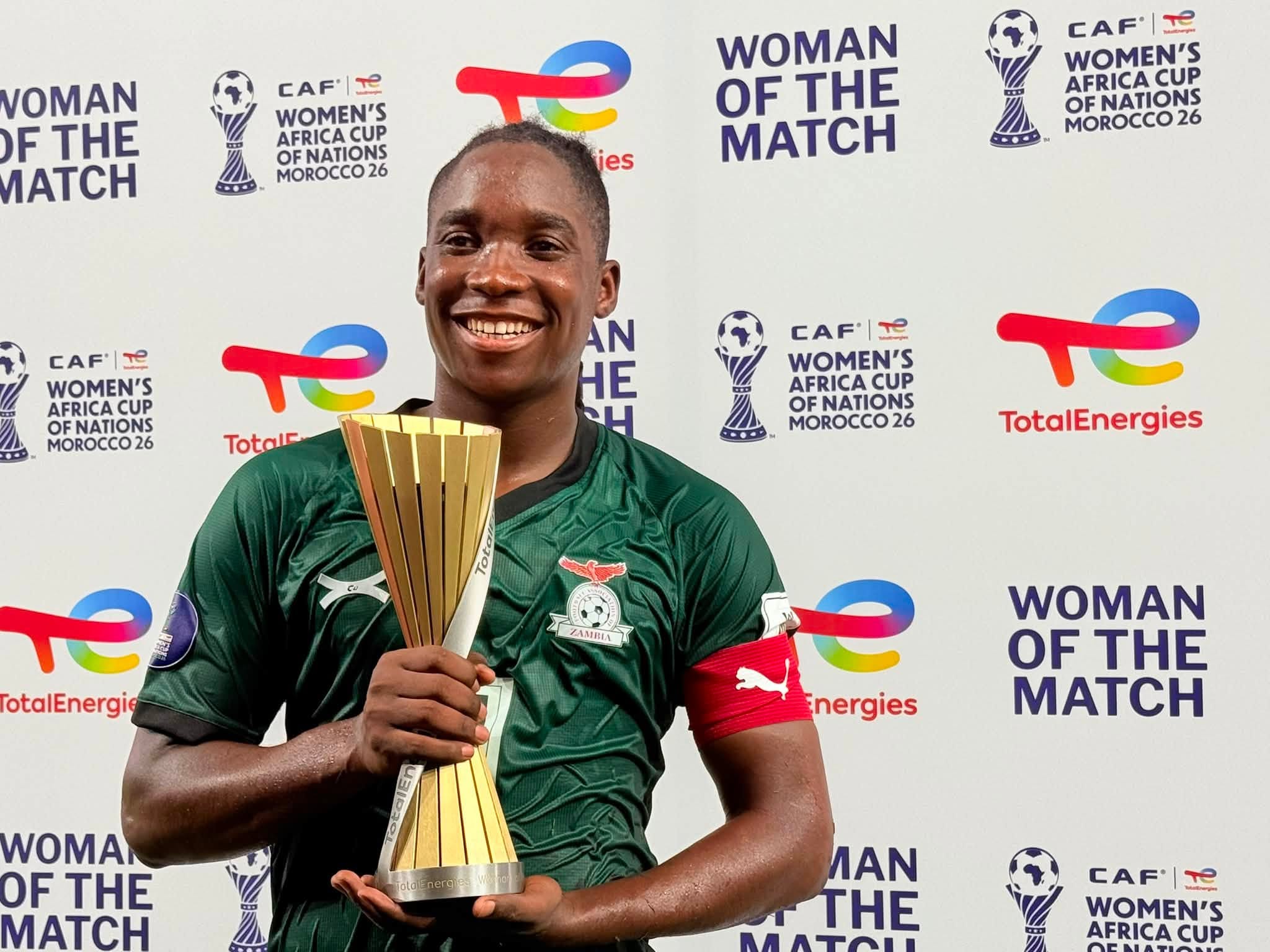
Hero: Barbra Banda delivers on the biggest stage
When Zambia needed their leading player to set the tone, Barbra Banda did exactly that.
The captain scored four times and supplied an assist in the 6-0 victory over Egypt, becoming only the third player to score four goals in a WAFCON match. She then struck inside the opening minute against Malawi to take her group-stage tally to five.
Banda’s tournament was short, but her impact was unmistakable. She provided power, movement and a ruthless edge in front of goal, while carrying the weight of being the player opponents planned most carefully to stop.
Her five goals underline the frustrating contradiction at the centre of Zambia’s campaign: the Copper Queens had one of the tournament’s most decisive attackers, but could not find a way through when it mattered most against Nigeria.

Hero: Racheal Nachula makes history at 40
Racheal Nachula’s penalty against Egypt was more than the opening goal of a dominant Zambian performance.
At 40, she became the oldest goalscorer in WAFCON history, adding another remarkable chapter to a career built on longevity and service to the national team.
Her record also offered a reminder that Zambia’s hopes did not rest only on the younger stars in the squad. Experience still had a meaningful role to play, and Nachula responded when given responsibility from the penalty spot.
Zambia may have exited earlier than expected, but Nachula’s name will remain attached to one of the defining records of this edition.

Hero: Eneless Phiri announces herself
Not every player needed a full tournament to leave an impression.
Eneless Phiri marked her WAFCON debut with a memorable curling strike from outside the area against Egypt. Introduced at half-time against Nigeria, she gave the Copper Queens greater directness and caused the Nigerian defence more problems than Zambia’s starting wide players had managed.
She was subsequently handed her first WAFCON start against Malawi and continued to trouble defenders with her willingness to carry the ball and take players on. An early effort almost produced another goal, but Malawi goalkeeper Mercy Sikelo stretched to turn it over the crossbar.
Phiri finished her first WAFCON with one goal from three appearances and 161 minutes of football. Those numbers may appear modest alongside Zambia’s established stars, but her fearless approach provided one of the campaign’s most encouraging discoveries—and made it easy to understand why supporters quickly took to her.
Headache: The opportunity Zambia failed to take against Nigeria
If one match shaped Zambia’s elimination more than any other, it was the defeat to Nigeria.
Asisat Oshoala gave the defending champions an eighth-minute lead, but the contest changed when Oluwatosin Demehin was sent off in the 40th minute. Zambia had more than half the match to make their numerical advantage count.
The equaliser never came.
Nigeria protected the central areas, defended with discipline and forced Zambia to search for openings without regularly creating the kind of clear chances needed to change the game. The Copper Queens had enough attacking quality on the pitch, but could not reproduce the sharpness they had shown against Egypt.
Losing narrowly to Nigeria is not automatically a failure. Failing to punish a rival playing with ten, however, was a major missed opportunity — particularly in a group where the margins later became so unforgiving.
Headache: One Malawi goal changes the calculation
For 71 minutes of the final match, Zambia appeared to be completing the recovery they needed.
Banda’s early strike and Chilufya’s second had given the Copper Queens a 2-0 lead. At that score, Zambia held the advantage in the three-team head-to-head calculation.
Then Tabitha Chawinga scored for Malawi in the 72nd minute.
That goal did not stop Zambia from winning the match, but it transformed the mini-table involving Zambia, Malawi and Nigeria. The three teams were level on head-to-head points and goal difference, so goals scored in those matches became decisive. Malawi advanced ahead of Nigeria, while Zambia were left third in the calculation.
The Copper Queens still had time to respond. Kabange Mupopo came agonisingly close, striking the woodwork as Zambia chased the third goal that would have changed their position again.
That sequence captured tournament football at its cruellest: one goal conceded and one effort against the post separated celebration from elimination.
Headache: A strong overall record that counted for little
Zambia finished the group with a goal difference of plus six — the best overall goal difference in Group C — and conceded fewer goals than either of the two teams that progressed.
None of that became decisive because Article 71 first required the tied teams to be ranked using their results against one another.
The regulation was not introduced after the final whistle, but the confusion surrounding it left many supporters unsure whether Zambia had qualified even after the victory over Malawi. The episode exposed how difficult qualification rules can be to communicate at times.
Still, the rule alone should not carry all the blame. Zambia had the outcome in their own hands at key moments. An equaliser against ten-player Nigeria, preventing Malawi’s goal or finding a third on the final day would all have changed the story.
The verdict: Plenty to celebrate, but an unforgiving lesson
This was not a campaign without progress or quality. Banda confirmed her place among Africa’s elite forwards. Nachula made history. Eneless made notable contributions, and Zambia showed they could respond to defeat by beating a confident Malawi side under enormous pressure.
But the Copper Queens also leave Morocco with a difficult lesson. Big scorelines can build confidence and improve an overall record, but qualification is often decided in the uncomfortable matches — when an opponent sits deep, when a lead must be protected, or when one more goal is required.
Zambia produced some of the group stage’s brightest individual moments. The headache is that they did not control the moments that ultimately mattered most.